
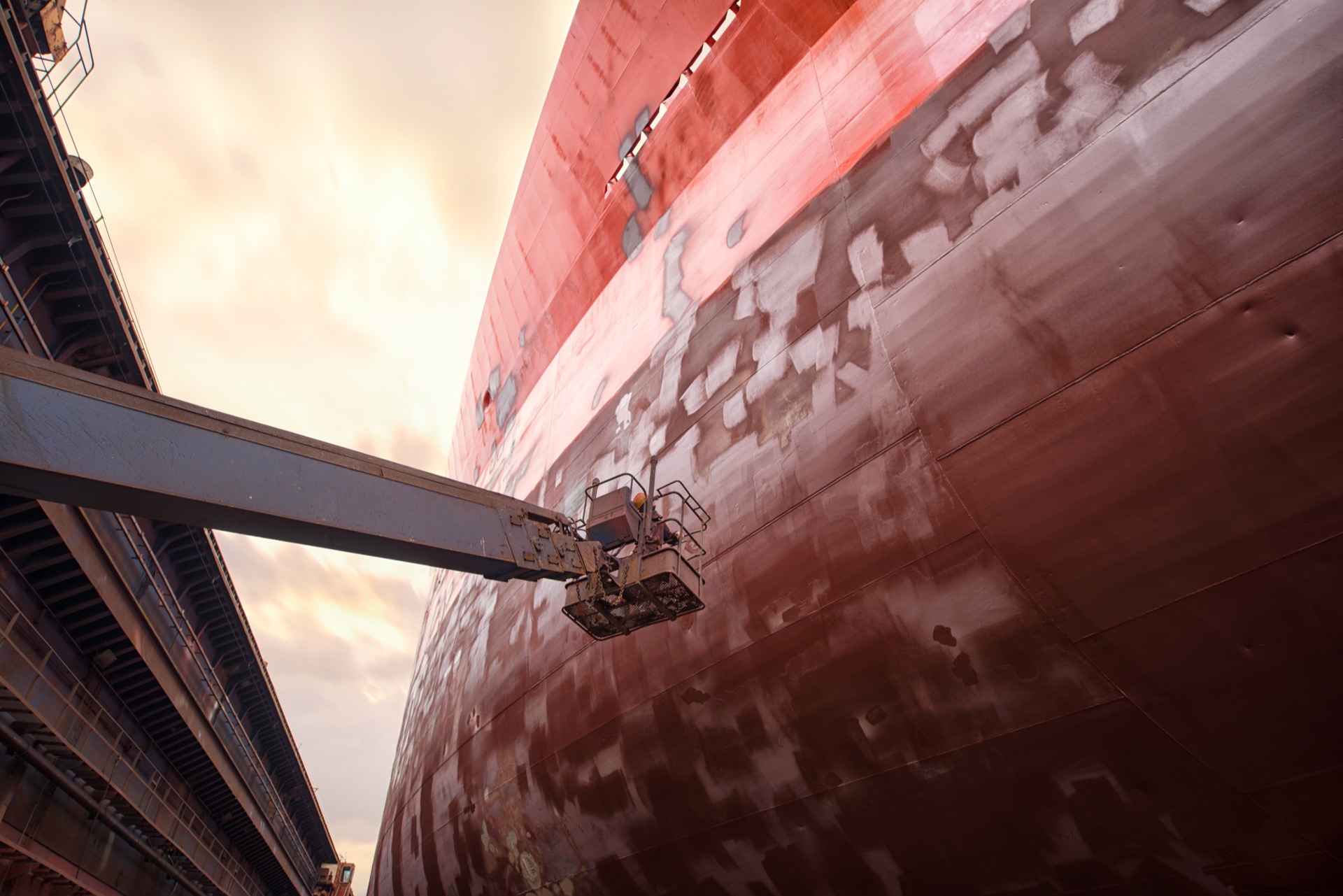
Our dry docking services help shipowners and operators cut through the complexities of dry-dock operations across global ports. With Inchcape, you can prevent unexpected costs, mitigate risks and avoid unnecessary delays, whilst never compromising on compliance or safety. All the support you need for safe, compliant, and cost-effective dry docking and vessel maintenance
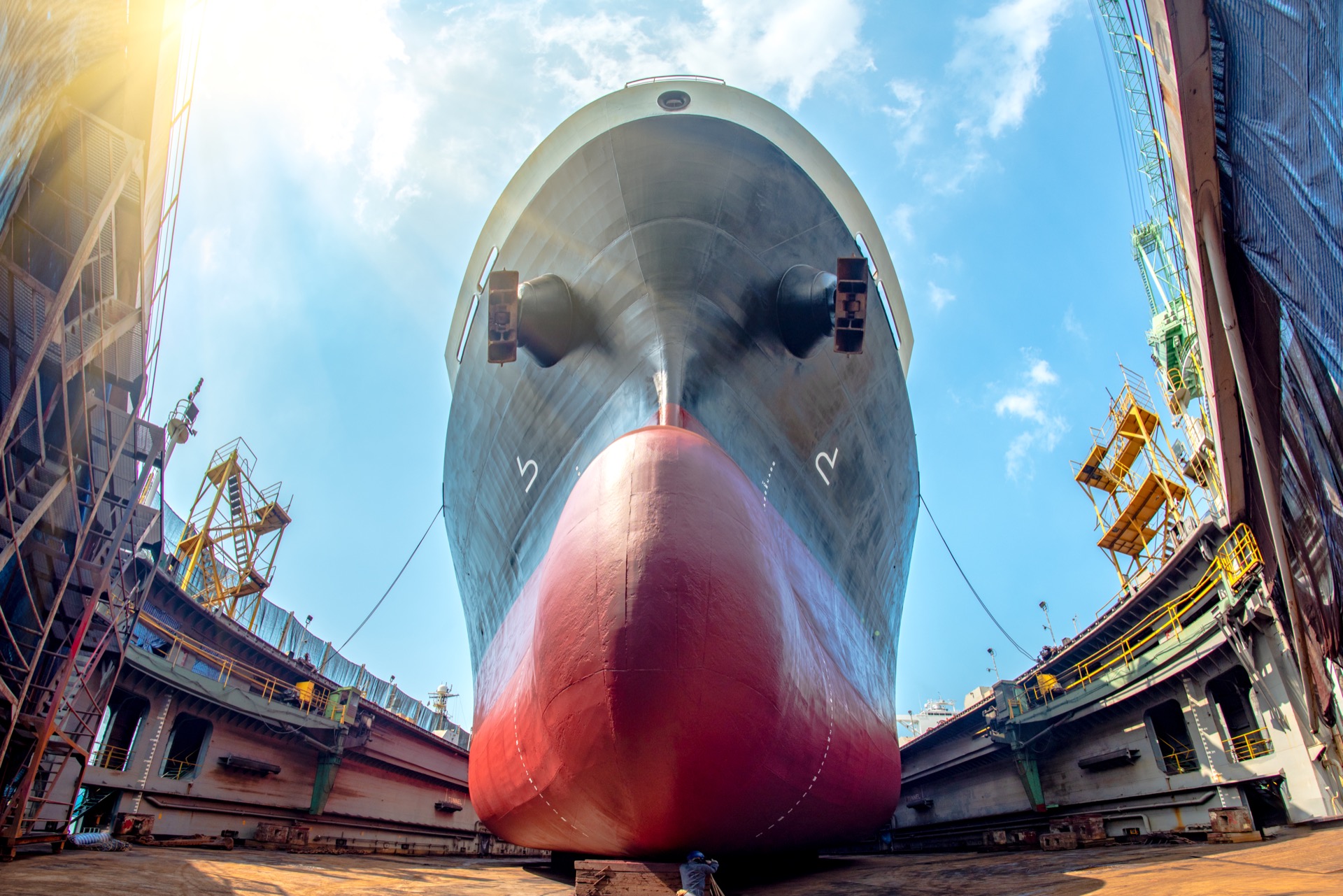
Eliminate risk
Our qualified procedures and accredited security planning focuses on eliminating risk and costly errors in custody transfer of crew, cash, spares & documents.
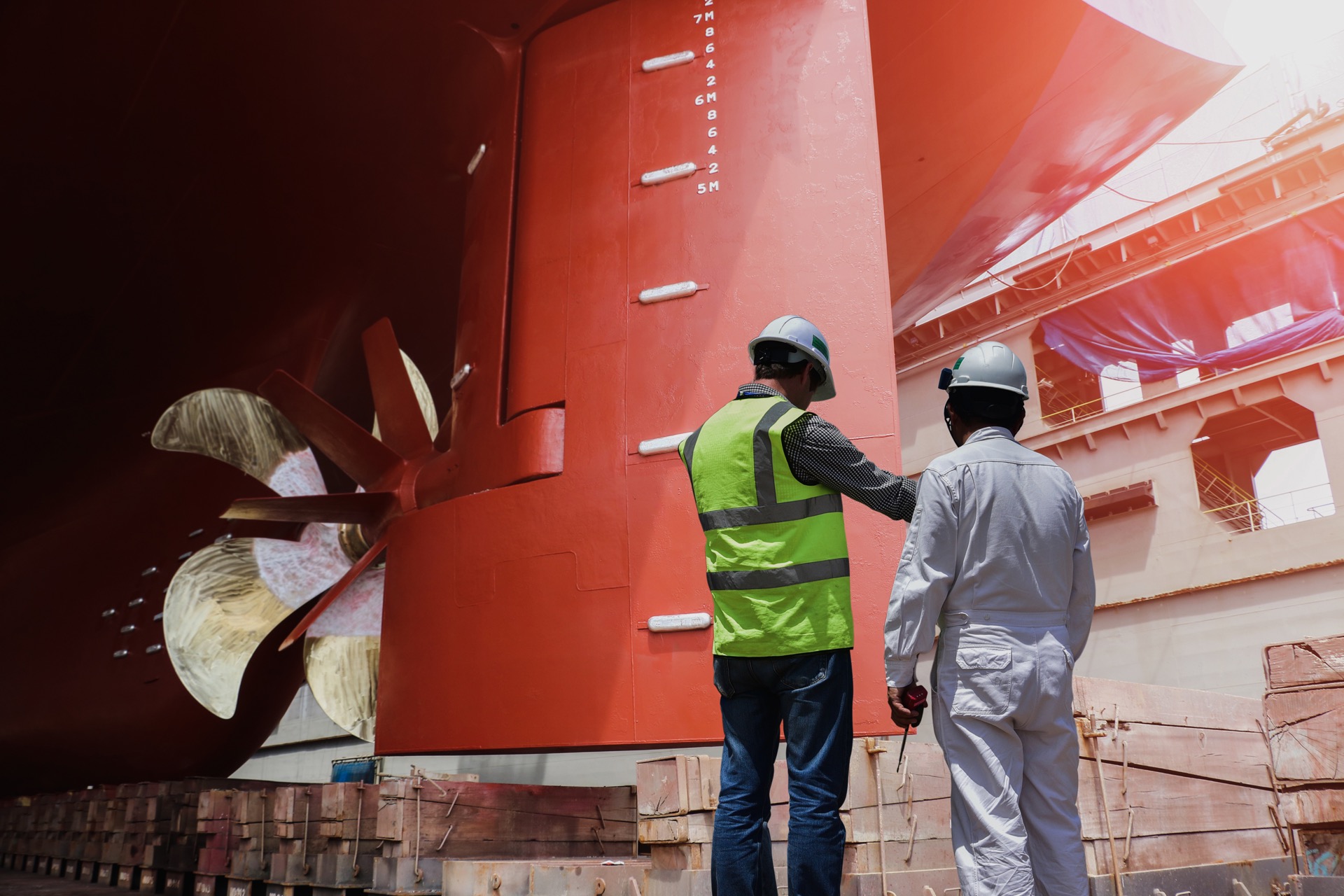
Avoid unexpected costs
Reduced overall costs of docking periods through efficient cost control and coordination of local vendors and supporting services. Our deep knowledge of local dry dock logistics and vessel dry docking services ensures cost transparency and operational efficiency.
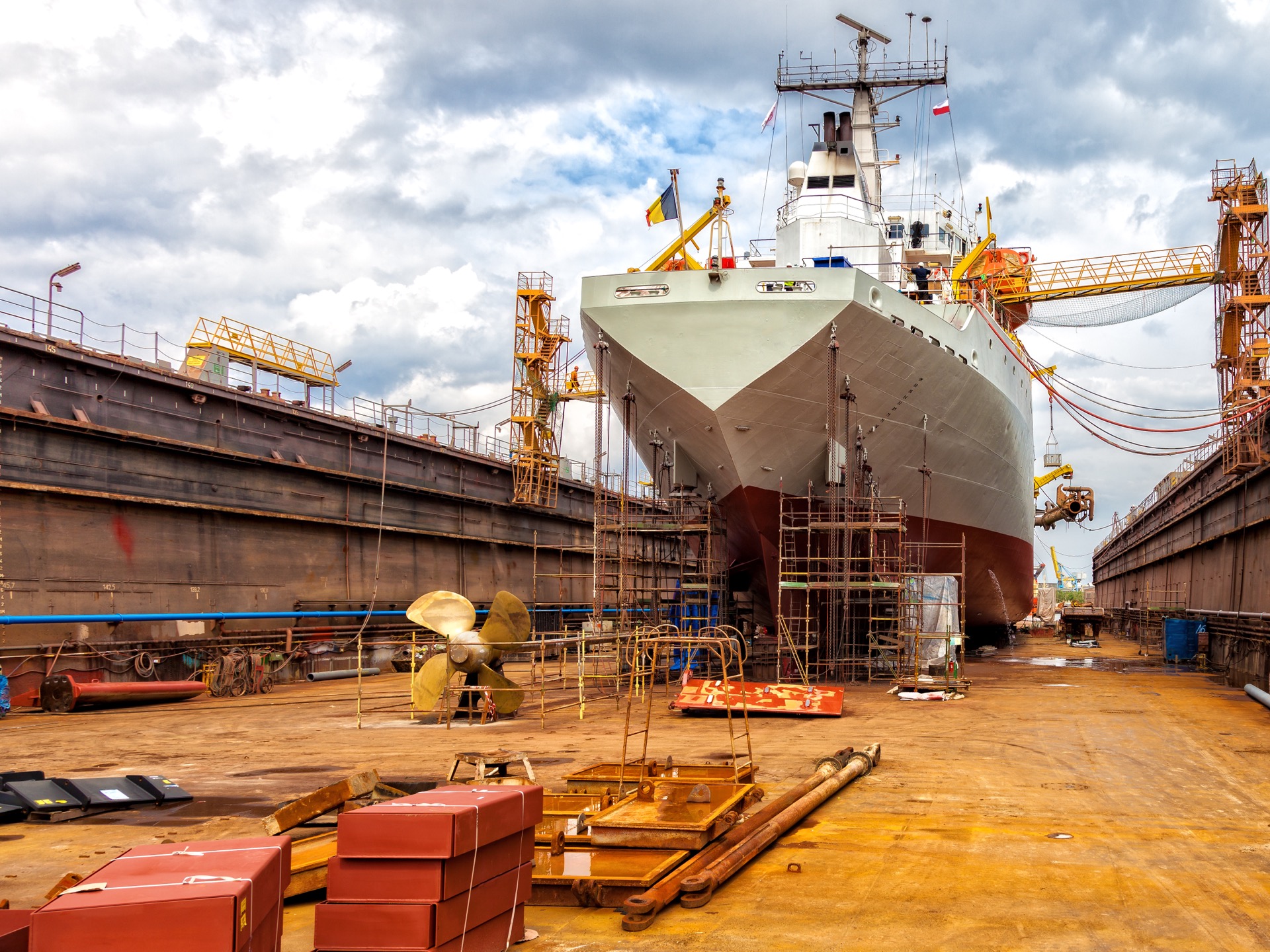
Responsible provider
We work in accordance to global standards on QHSSE and anti corruption programs. We operate under strict governance, making sure our entire global network of agents, vendors and partner are compliant and sustainable.
Common Questions about Dry Docking
What is dry docking in shipping?
Dry docking is the process of taking a vessel out of the water in a controlled facility so that its underwater sections can be thoroughly cleaned, inspected, maintained, and repaired. This allows ship operators and service providers like Inchcape to assess critical areas such as the hull, propellers, rudders, and sea valves that are normally inaccessible during regular operations.
It is a key part of vessel maintenance and regulatory compliance, ensuring ships remain seaworthy, efficient, and safe while meeting international maritime standards.
How often should a vessel undergo dry docking?
Most commercial vessels are required to undergo dry docking at least twice within a five-year cycle, in line with SOLAS regulations and classification society requirements. This typically means a dry dock every 2.5 to 3 years, although the exact frequency can vary depending on vessel type, age, and operational conditions.
Passenger vessels may require more frequent inspections, while some ships operating under approved extended survey schemes can have longer intervals. Regular dry docking ensures vessels remain compliant with safety certifications and continue to operate efficiently without unexpected downtime.

Our Services
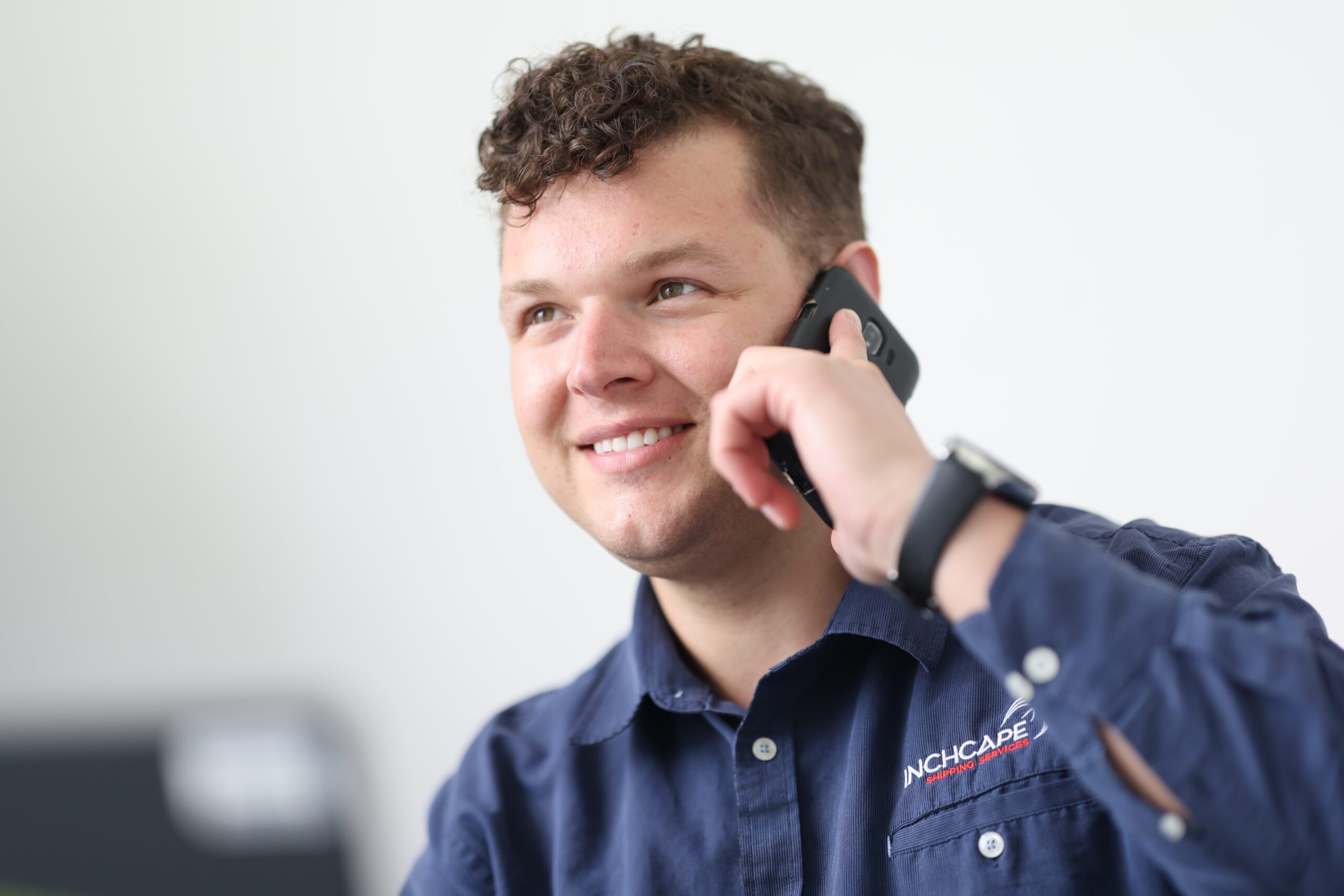
Port Agency
Services designed specifically around the needs of our customers, including full port agency, crew logistics, husbandry, dry docking, and more
OneCape
OneCape is a suite of outsourced solutions for managing port operations globally from start to finish.
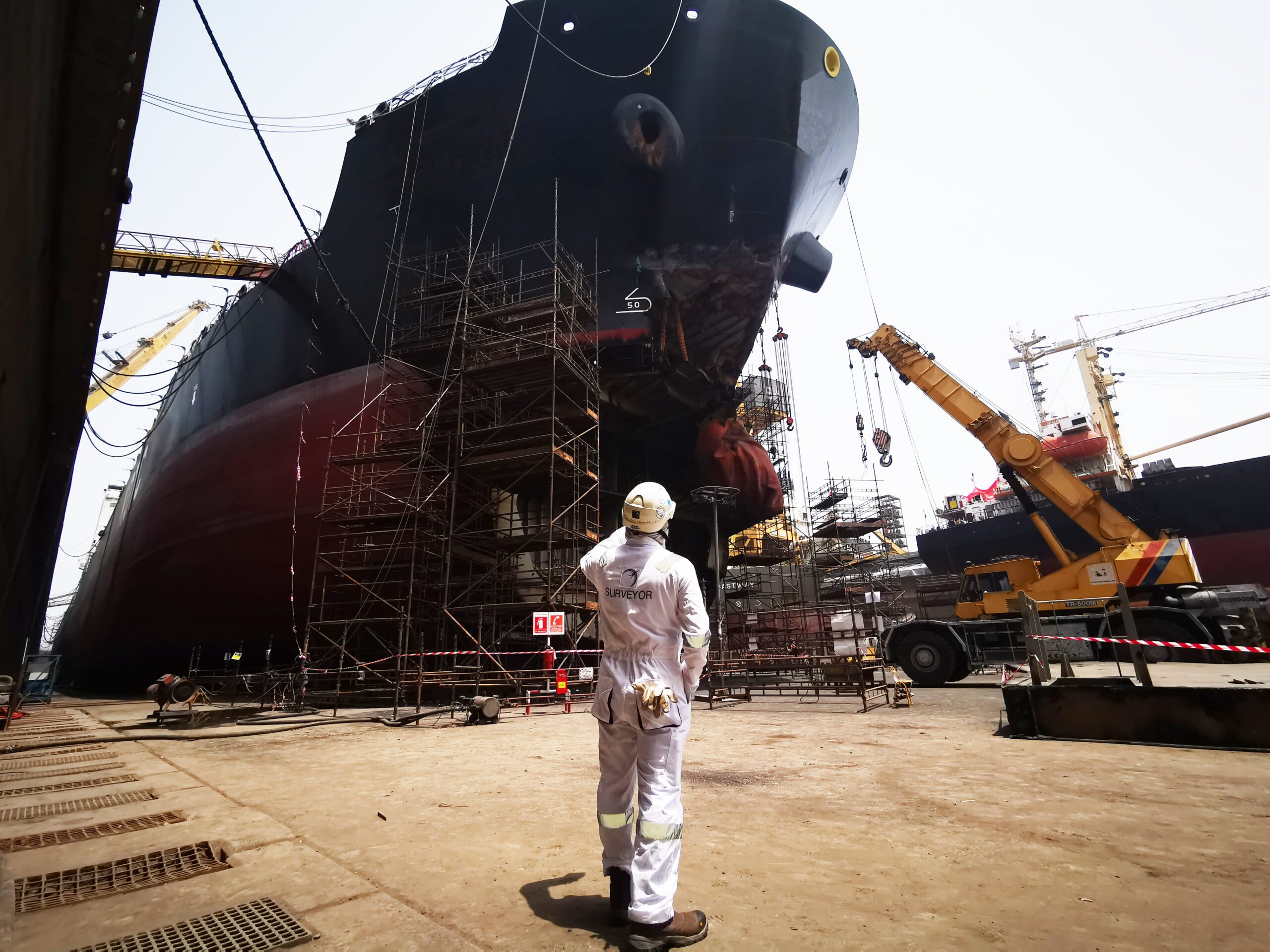
Marine Services
Specialist support when you need it most, including machinery, survey and inspection, project management and handling of spare parts and consumables.

Digital Solutions
Control, visibility and transparency of your entire port call operation through an intuitive digital platform. Plan and track your cargo and vessel.